
Preprints
2026

Signaling and transcriptional networks governing late synovial joint development
Maps the signaling pathways and transcription factor networks that coordinate late-stage synovial joint development in the embryonic mouse limb and uncovers Col22a1 and Tspan15 as markers of the synovial lining.

VIDEO - Visual Integration of Drosophila Enhancer Organization: A tool for integrating and visualizing chromatin accessibility, in vivo transcription factor binding and motif occurrence in tissue-specific differentially expressed genes
VIDEO is a visualization tool that integrates chromatin accessibility, in vivo transcription factor binding, and motif occurrence to explore enhancer organization in tissue-specific differentially expressed genes in Drosophila.

TGF-β-induced fibrotic scar formation limits recovery of spinal cord injury
TGF-beta-driven fibrotic scarring by macrophages and pericytes impedes spinal cord repair; neutralizing TGF-beta improves functional recovery in mice.

Protocol to investigate the effects of localized gene expression disruption on mouse limb development via direct siRNA injection and explant culture
Step-by-step protocol for localized siRNA knockdown in embryonic mouse hindlimb explants with a morphology scoring system.

Mapping somatosensory afferent circuitry to bone identifies neurotrophic signals required for fracture healing
Single-cell profiling of bone-innervating sensory neurons identifies FGF9 as a key neurotrophic signal promoting fracture repair.
2025

A comparison of computational methods for expression forecasting
Benchmarking expression forecasting methods across 11 perturbation datasets reveals most fail to outperform simple baselines.

CrebA regulation of secretory capacity: Genome-wide transcription profiling coupled with in vivo DNA binding studies
scRNA-seq of CrebA-null Drosophila embryos reveals CrebA directly activates secretory pathway genes via proximal promoter binding.

Polyamine Depletion by D,L-alpha-difluoromethylornithine Inhibits Ewing Sarcoma Metastasis by Inducing Ferroptosis
DFMO prevents Ewing sarcoma metastasis by inducing ferroptosis, providing preclinical rationale for clinical testing.

DNA methylation memory of pancreatic acinar-ductal metaplasia transition state altering Kras-downstream PI3K and Rho GTPase signaling in the absence of Kras mutation
Pancreatic cells retain DNA methylation marks from ADM transition at Kras-downstream pathway genes even after expression normalizes.

Inhibition of DKK-1 by WAY262611 Inhibits Osteosarcoma Metastasis
Small-molecule DKK-1 inhibitor activates Wnt signaling, induces osteoblast differentiation, and prevents osteosarcoma metastasis in vivo.
2024

OneSC: A computational platform for recapitulating cell state transitions
OneSC simulates cell state transitions via stochastic differential equations on core TF networks, accurately predicting perturbation outcomes.

Cell cycle expression heterogeneity predicts degree of differentiation
stemFinder predicts differentiation state from cell cycle gene expression heterogeneity, outperforming existing methods with better scalability.

Transcriptome data are insufficient to control false discoveries in regulatory network inference
Unmeasured confounding variables are a major driver of false discoveries in transcriptional regulatory network inference from expression data.

Direct comparison of mass cytometry and single-cell RNA sequencing of human peripheral blood mononuclear cells
Split-sample CyTOF vs scRNA-seq comparison reveals cell-type-specific concordance between protein and mRNA measurements.

Organogenetic transcriptomes of the Drosophila embryo at single cell resolution
Single-cell atlas of Drosophila organogenesis reveals tissue-specific transcription programs and matrisome cell origins.

Defining cellular identity through network biology
Perspective: Discusses how network biology approaches, including CellNet, can quantify and guide cellular identity in engineered cells.
2023

Analysis of the human kidney transcriptome and plasma proteome identifies markers of proximal tubule maladaptation to injury.
Multi-omics analysis identifies plasma protein markers of maladaptive proximal tubule repair predicting adverse outcomes after AKI.

Single cell and spatial transcriptomics analysis of kidney double negative T lymphocytes in normal and ischemic mouse kidneys.
Combined scRNA-seq and spatial transcriptomics characterize kidney double-negative T cells and their localization during AKI.

Platform-agnostic CellNet enables cross-study analysis of cell fate engineering protocols.
PACNet enables cross-platform, cross-study comparison of cell engineering protocols by scoring transcriptional fidelity against natural cell types.

RANK+TLR2+ myeloid subpopulation converts autoimmune to joint destruction in rheumatoid arthritis.
A RANK+TLR2+ myeloid subset drives the transition from autoimmunity to osteoclast-mediated joint destruction in rheumatoid arthritis.

Sympathetic Innervation Regulates Osteocyte-Mediated Cortical Bone Resorption during Lactation.
Sympathetic nerves promote osteocyte-driven cortical bone resorption during lactation through beta-adrenergic signaling and extracellular vesicle secretion.

Gene regulation network inference using k-nearest neighbor-based mutual information estimation: revisiting an old DREAM.
A kNN mutual information estimator combined with a new inference algorithm improves gene regulatory network reconstruction by 20-35%.

Immune Checkpoint Molecule TIGIT Regulates Kidney T Cell Functions and Contributes to AKI.
TIGIT is upregulated on kidney T cells after acute kidney injury, and its deletion protects mice from ischemic and nephrotoxic damage.

A conversation with ChatGPT on the role of computational systems biology in stem cell research
Commentary: Explores the potential roles and limitations of large language models like ChatGPT in computational stem cell biology.
2022

Single-Cell Transcriptomic Census of Endothelial Changes Induced by Matrix Stiffness and the Association with Atherosclerosis.
Pathological matrix stiffness promotes endothelial-to-mesenchymal transition, enriching transcriptional signatures associated with atherosclerosis.

Engineering Skeletal Muscle Grafts with PAX7::GFP-Sorted Human Pluripotent Stem Cell-Derived Myogenic Progenitors on Fibrin Microfiber Bundles for Tissue Regeneration
PAX7-sorted human PSC-derived myogenic progenitors on fibrin microfiber bundles form skeletal muscle grafts that promote regeneration in vivo.

Reconstruction of dynamic regulatory networks reveals signaling-induced topology changes associated with germ layer specification.
A computational method reconstructs time-varying gene regulatory networks to reveal signaling-induced topology changes during germ layer specification.
2021

Spatial transcriptomics reveals a role for sensory nerves in preserving cranial suture patency through modulation of BMP/TGF-β signaling.
Sensory nerve-derived signals maintain cranial suture patency by promoting progenitor proliferation and inhibiting premature ossification.

Computational reconstruction of the signalling networks surrounding implanted biomaterials from single-cell transcriptomics.
Single-cell transcriptomics of implanted biomaterials reveals modular intercellular signaling networks characterizing material-specific immune responses.

Evaluating the transcriptional fidelity of cancer models.
CancerCellNet scores how faithfully cancer cell lines, xenografts, and tumoroids recapitulate the transcriptional identity of natural tumors.

Challenges for Computational Stem Cell Biology: A Discussion for the Field.
Perspective: Identifies key opportunities and barriers facing computational stem cell research requiring coordinated action across the field.

Computational Stem Cell Biology: Open Questions and Guiding Principles.
Review: Articulates guiding principles for computational stem cell biology across cell typing, trajectory inference, and network analysis.
2020

Gene Regulatory Network Analysis and Engineered Directs Development and Vascularization of Multilineage Human Liver Organoids.
Engineering gene regulatory networks via PROX1, ATF5, and CYP3A4 activation directs maturation and vascularization of human liver organoids.

Hepatocyte-like cells derived from human induced pluripotent stem cells using small molecules: implications of a transcriptomic study.
Small molecule-driven iPSC differentiation produces hepatocyte-like cells with a mixed fetal-adult phenotype; transcriptomics suggests pathways for further maturation.

A single cell transcriptional atlas of early synovial joint development.
A scRNA-seq atlas of the developing murine knee joint reveals transcriptional programs governing synovial joint progenitor fate diversification.

Evaluation of Bunina et al.: Synthesizing Multi-omics Data to Delineate Neuronal Differentiation.
Commentary: Evaluates how multi-omics data integration delineates SOX2 chromatin interaction network rewiring during neuronal differentiation.

Small-Molecule PAPD5 Inhibitors Restore Telomerase Activity in Patient Stem Cells.
Small-molecule PAPD5 inhibitors restore telomerase RNA maturation and telomere length in dyskeratosis congenita patient stem cells.

Transcriptome Dynamics of Hematopoietic Stem Cell Formation Revealed Using a Combinatorial Runx1 and Ly6a Reporter System.
A dual reporter mouse and scRNA-seq reveal that maturing pre-HSCs acquire interferon signatures and quiescence as they transition to fetal liver HSCs.

Multi-scale cellular engineering: From molecules to organ-on-a-chip.
Review: Summarizes advances in molecular, cellular, and organ-on-a-chip engineering for designing complex living systems.
2019

Interleukin-36γ-producing macrophages drive IL-17-mediated fibrosis.
scRNA-seq identifies a CD9+IL-36gamma+ macrophage subset at biomaterial implant sites that drives IL-17-mediated fibrosis.

SingleCellNet: A Computational Tool to Classify Single Cell RNA-Seq Data Across Platforms and Across Species.
SingleCellNet classifies scRNA-seq data by cell type across platforms and species, enabling quantitative identity assessment of engineered cells.

A systems biology pipeline identifies regulatory networks for stem cell engineering.
A computational pipeline identifies ErbB4 as a regulator that improves erythroid differentiation from pluripotent stem cells.

A Public BCR Present in a Unique Dual-Receptor-Expressing Lymphocyte from Type 1 Diabetes Patients Encodes a Potent T Cell Autoantigen
A novel dual TCR/BCR-expressing lymphocyte in type 1 diabetes patients carries a public clonotype encoding a potent CD4 T cell autoantigen.

Cell Fate Engineering Tools for iPSC Disease Modeling.
A methods chapter demonstrating how to use CellNet with RNA-seq to assess and improve iPSC-derived cell populations for disease modeling.
2018

A single cell transcriptional portrait of embryoid body differentiation and comparison to progenitors of the developing embryo
scRNA-seq of embryoid bodies reveals distinct pluripotent, neuroectodermal, and mesendodermal populations and their differentiation trajectories.

A CLK3-HMGA2 Alternative Splicing Axis Impacts Human Hematopoietic Stem Cell Molecular Identity throughout Development
A CLK3-HMGA2 alternative splicing axis enables human HSCs to maintain HMGA2 function by evading let-7 miRNA silencing across development.
2017

Programming Morphogenesis through Systems and Synthetic Biology
Review: Proposes that synthetic biology, single-cell genomics, and multiscale modeling can be combined to program tissue morphogenesis.

Assessment of engineered cells using CellNet and RNA-seq
A protocol for using CellNet with RNA-seq to evaluate how well engineered cells establish cell-type-specific gene regulatory networks.

Understanding development and stem cells using single cell-based analyses of gene expression
Review: Examines how scRNA-seq reveals mammalian developmental dynamics and stem cell biology through specialized analytical approaches.
2016

Engineered Murine HSCs Reconstitute Multi-lineage Hematopoiesis and Adaptive Immunity.
Notch ligand exposure of HoxB4-expressing ESC-derived HSCs enables multi-lineage hematopoietic reconstitution and adaptive immunity in mice.

TGF-β inhibitors stimulate red blood cell production by enhancing self-renewal of BFU-E erythroid progenitors.
TGF-beta receptor III marks early erythroid progenitors; blocking TGF-beta signaling increases their self-renewal and red blood cell output.

Posttranscriptional manipulation of TERC reverses molecular hallmarks of telomere disease
Inhibiting PAPD5 poly(A) polymerase restores telomerase RNA levels, telomerase activity, and telomere length in PARN-mutant patient cells.

Multiple mechanisms disrupt the let-7 microRNA family in neuroblastoma
Let-7 miRNA disruption via LIN28B, MYCN sponging, or genetic loss is a unifying oncogenic mechanism in neuroblastoma.

LIN28 Regulates Stem Cell Metabolism and Conversion to Primed Pluripotency
LIN28A and LIN28B cooperatively regulate reprogramming, naive-to-primed pluripotency conversion, and mitochondrial metabolism in stem cells.

Computational Tools for Stem Cell Biology
Review: Surveys computational tools and approaches for analyzing and engineering stem cell identity and fate decisions.

Enabling direct fate conversion with network biology
Perspective: Describes Mogrify, a network biology framework that predicts transcription factor combinations needed for direct conversion between human cell types.
2015

Transcriptional Landscape of Cardiomyocyte Maturation
An atlas of gene regulatory networks across cardiomyocyte maturation reveals stem-cell-derived cardiomyocytes arrest at the late embryonic stage.

Poly(A)-specific ribonuclease (PARN) mediates 3′-end maturation of the telomerase RNA component
PARN removes oligo(A) tails from telomerase RNA; its mutation causes TERC degradation leading to telomere disease.
2014

Deconstructing transcriptional heterogeneity in pluripotent stem cells
MicroRNA removal or signaling inhibition drives pluripotent stem cells into a low-noise ground state via the Myc/Lin28/let-7 axis.
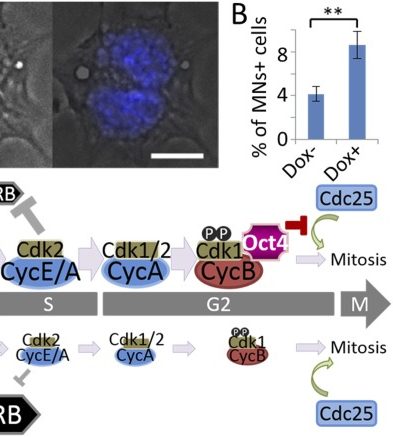
A non-transcriptional role for Oct4 in the regulation of mitotic entry
Oct4 directly inhibits Cdk1 activation to prevent premature mitotic entry in embryonic stem cells, independent of its transcriptional activity.
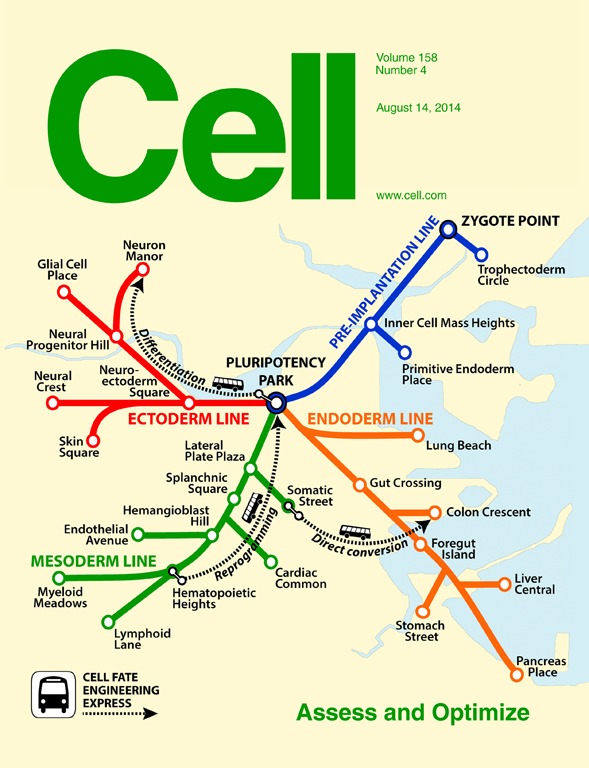
CellNet: Network Biology Applied to Stem Cell Engineering
CellNet uses gene regulatory networks to assess how faithfully engineered cells recapitulate target cell types and suggests improvements.
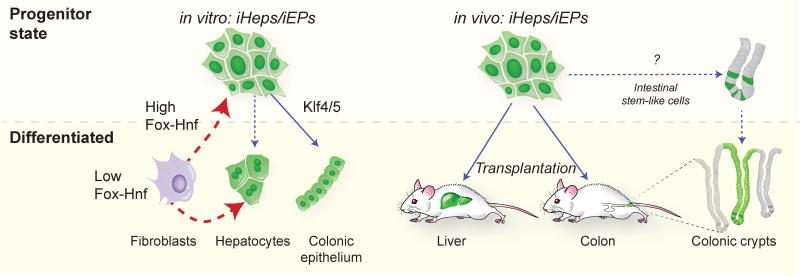
Dissecting Engineered Cell Types and Enhancing Cell Fate Conversion via CellNet
CellNet diagnoses aberrant gene networks in engineered cells and reveals that induced hepatocytes harbor an intestinal program.
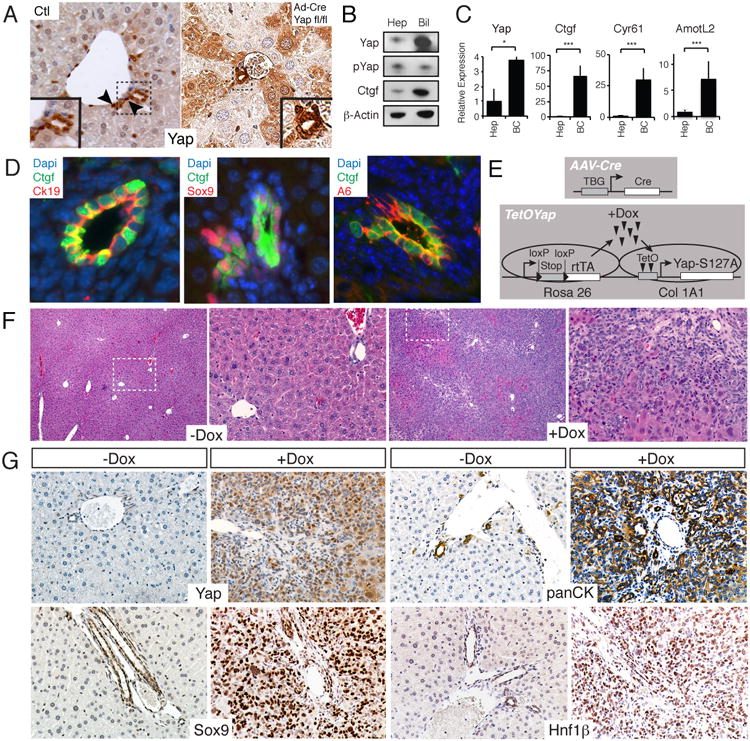
Hippo pathway activity influences liver cell fate
Inactivation of Hippo signaling in vivo dedifferentiates mature hepatocytes into self-renewing progenitor-like cells via Notch activation.
2013
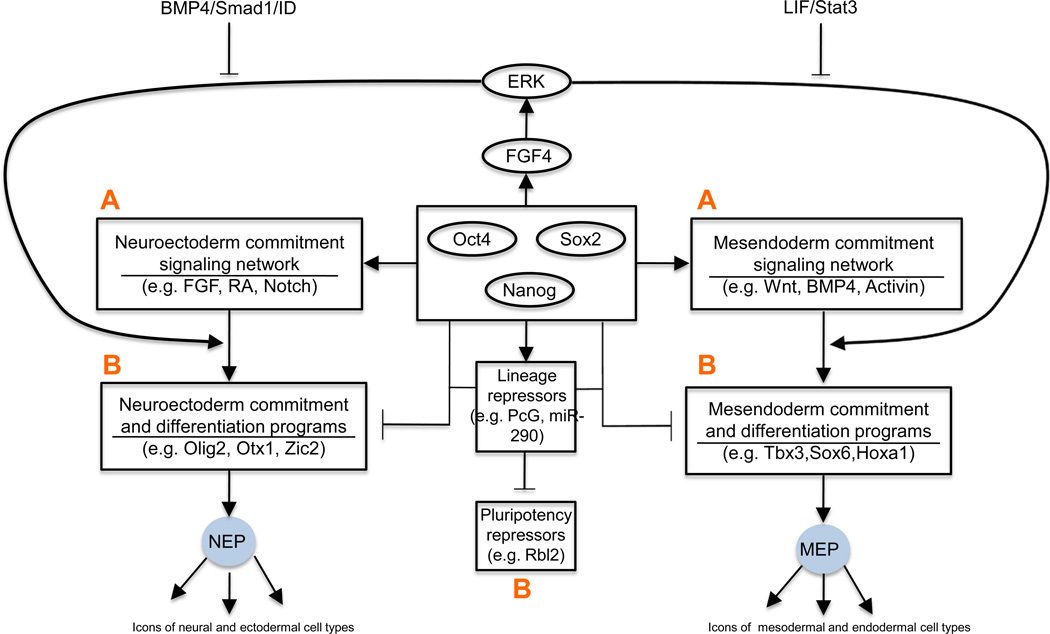
Origins and implications of pluripotent stem cell variability and heterogeneity
Review: Examines how genetic and epigenetic variation drives functional variability between pluripotent stem cell lines and heterogeneity within clones.
2012
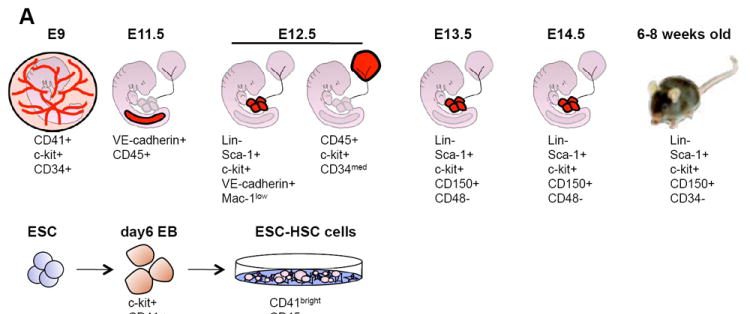
The transcriptional landscape of hematopoietic stem cell ontogeny
Transcriptome profiling of embryonic HSCs reveals distinct developmental stages and validates novel regulators of HSC specification.
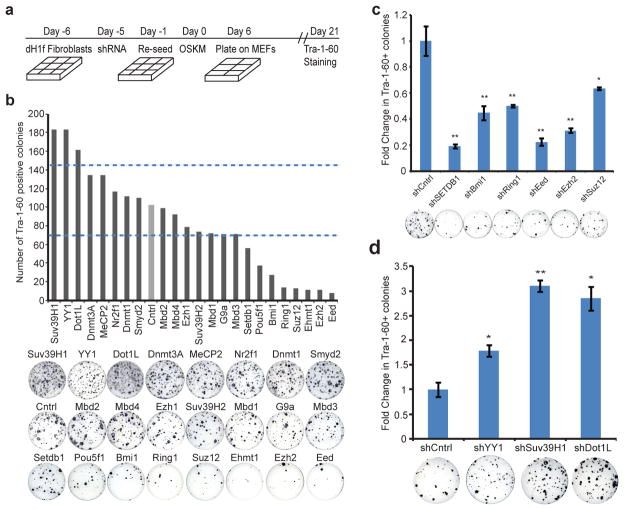
Chromatin-modifying enzymes as modulators of reprogramming
Inhibition of H3K79 methyltransferase DOT1L enhances iPSC reprogramming and can substitute for KLF4 and c-Myc.
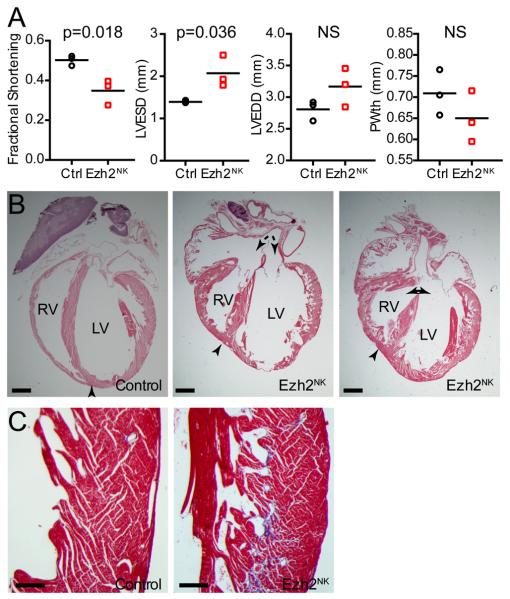
Polycomb repressive complex 2 regulates normal development of the mouse heart
Cardiac-specific loss of EZH2 disrupts cardiomyocyte proliferation and gene silencing, causing lethal congenital heart malformations.
2011
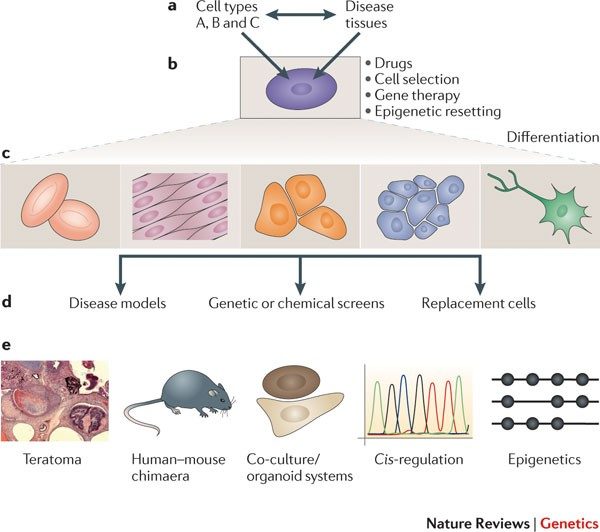
Investigating monogenic and complex diseases with pluripotent stem cells
Review: Surveys the use of pluripotent stem cells combined with genome-wide analyses to study monogenic and complex genetic diseases.
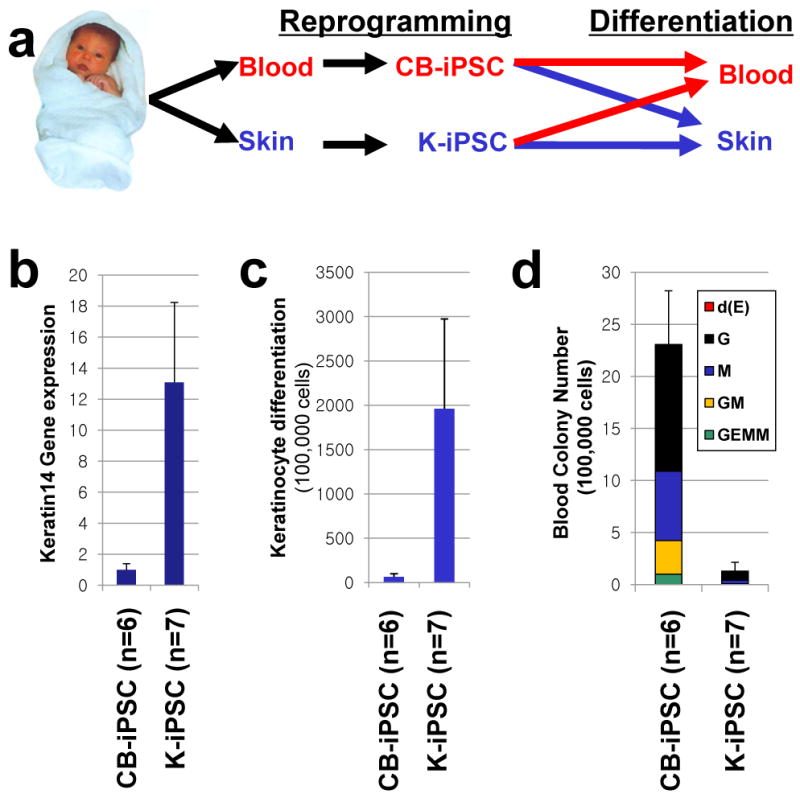
Donor cell type can influence the epigenome and differentiation potential of human induced pluripotent stem cells
Human iPSCs retain residual DNA methylation signatures of their donor tissue, creating an epigenetic memory that biases differentiation.
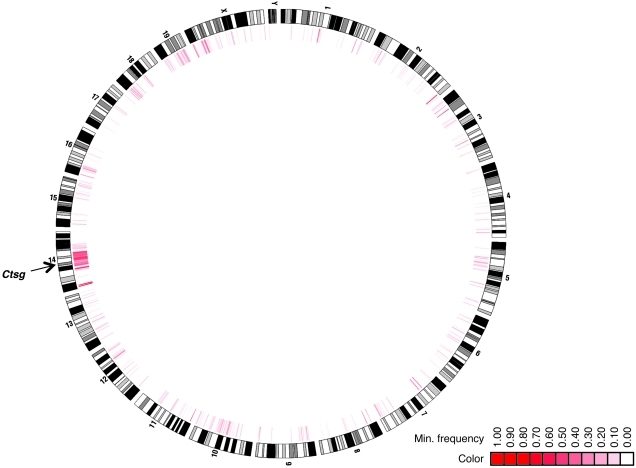
Sequencing a mouse acute promyelocytic leukemia genome reveals genetic events relevant for disease progression
Whole-genome sequencing of a mouse APL identified a recurrent Jak1 mutation and Kdm6a deletion relevant to human leukemia.
2010
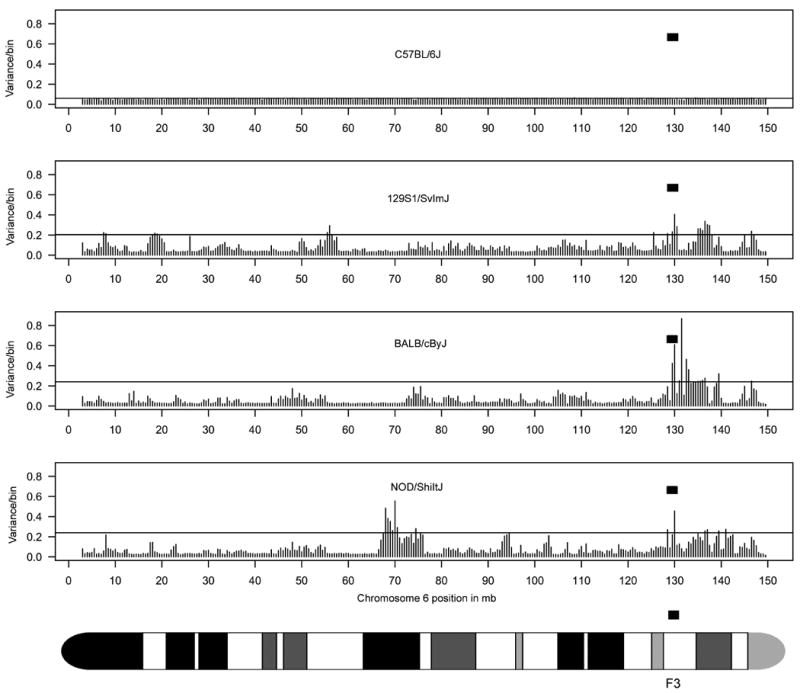
Structural variation of the mouse natural killer gene complex
Array CGH across 21 mouse strains reveals structural copy number variation in the natural killer gene complex predicting strain phenotypes.
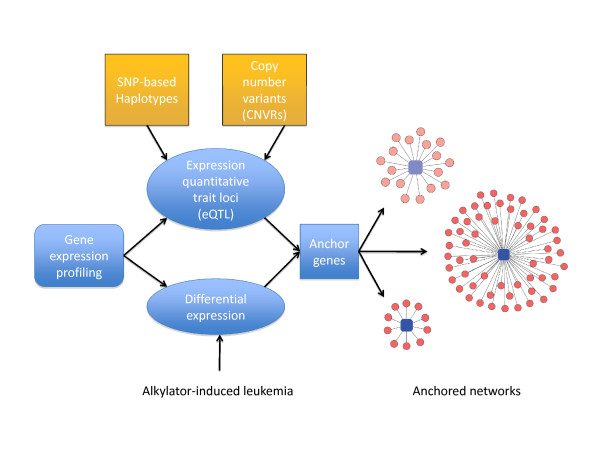
Integrated genomics of susceptibility to alkylator-induced leukemia in mice
Integrated genomic networks identify cell cycle and DNA repair pathways as key contributors to therapy-related AML susceptibility in mice.
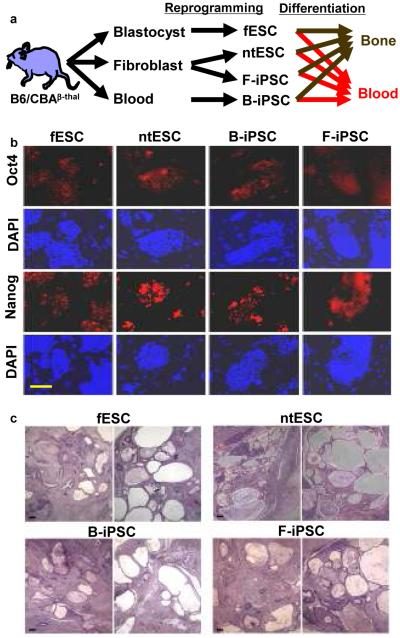
Epigenetic memory in induced pluripotent stem cells
iPSCs retain donor-tissue DNA methylation patterns that bias differentiation; nuclear transfer more completely resets the epigenome.
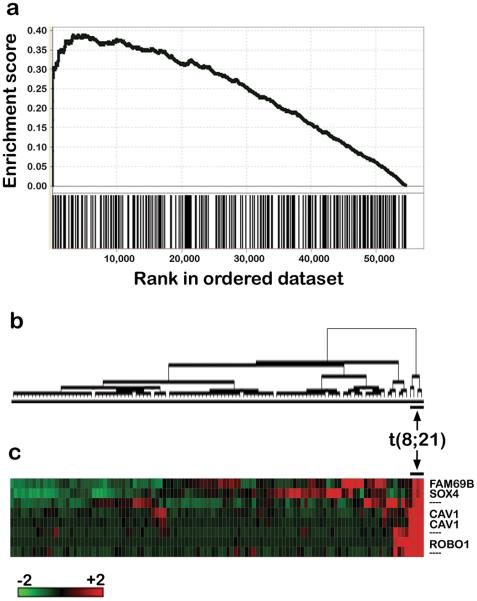
POU4F1 is associated with t(8;21) acute myeloid leukemia and contributes directly to its unique transcriptional signature
POU4F1 is overexpressed in t(8;21) AML and directly contributes to its unique transcriptional signature independently of AML1/ETO.
2009
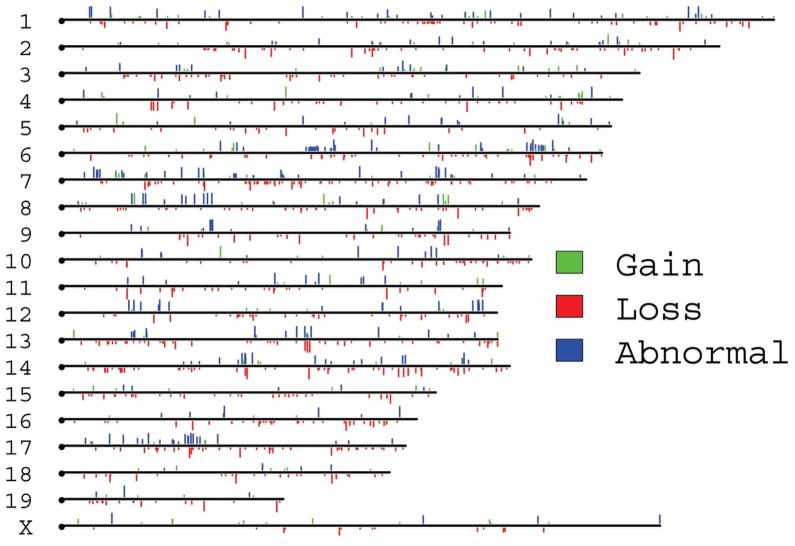
The impact of copy number variation on local gene expression in mouse hematopoietic stem and progenitor cells
Germline DNA copy number variants account for up to 28% of strain-dependent gene expression variation in mouse HSCs.
2008
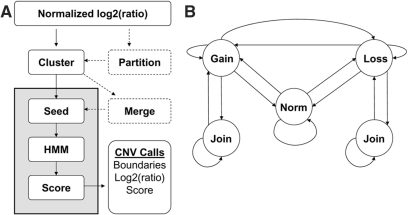
wuHMM: a robust algorithm to detect DNA copy number variation using long oligonucleotide microarray data
Presents wuHMM, a hidden Markov model algorithm for detecting DNA copy number variants from array CGH data.
2007
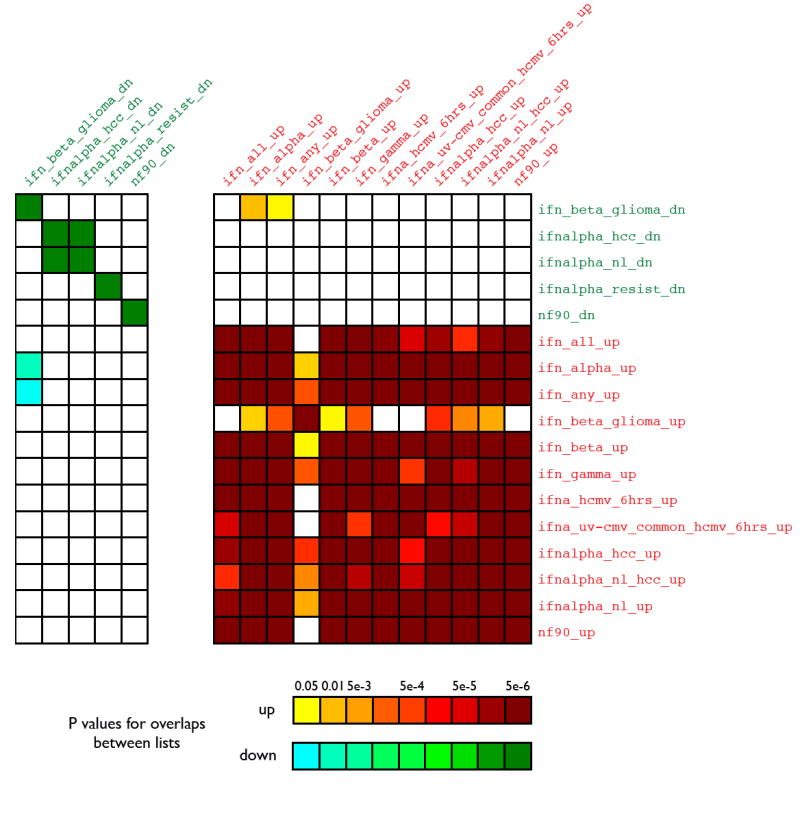
Meta-analysis of microarray results: challenges, opportunities, and recommendations for standardization
Describes a meta-analysis approach for integrating microarray results across studies to identify reproducible gene expression signatures.
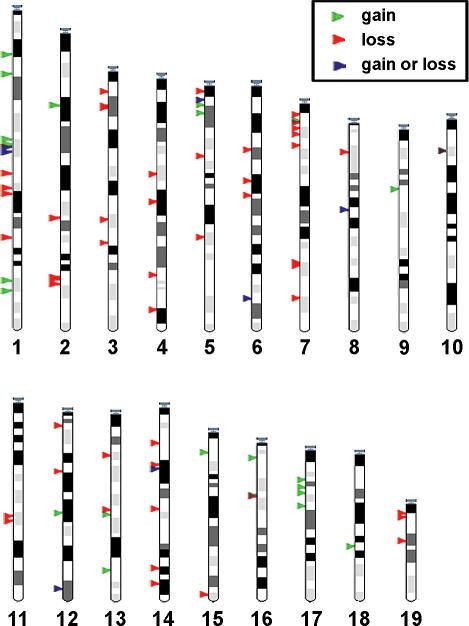
A high-resolution map of segmental DNA copy number variation in the mouse genome
High-resolution CGH identifies over 1,300 copy number variant regions across 21 inbred mouse strains, spanning 3.2% of the genome.
2006
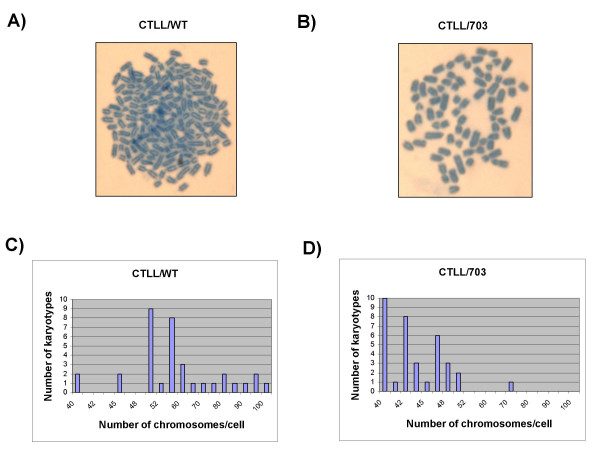
Involvement of HTLV-I Tax and CREB in aneuploidy: a bioinformatics approach
Tax-mediated CREB transactivation alters kinetochore assembly gene expression, contributing to aneuploidy in HTLV-I-infected cells.
Systems pharmacogenomics in yeast
Review: Surveys genome-wide deletion screens in yeast revealing genes required for resistance to 12 DNA-damaging anticancer agents.
2005
List of lists-annotated (LOLA): a database for annotation and comparison of published microarray gene lists
LOLA is a database for storing, reannotating, and comparing gene lists from microarray studies across platforms and species.
Genomic profiling of acquired resistance to apoptosis in cells derived from human atherosclerotic lesions: potential role of STATs, cyclinD1, BAD, and Bcl-XL
Transcript profiling of atherosclerotic lesion cells identifies STATs, cyclin D1, and Bcl-xL as mediators of acquired apoptosis resistance.
Identification and distribution of sequences having similarity to mitochondrial plasmids in mitochondrial genomes of filamentous fungi
Mitochondrial plasmid sequences have invaded fungal mitochondrial genomes, comprising over 2% of Neurospora crassa mitochondrial DNA.
2001
Ranking Retrieval Systems without Relevance Judgments
Proposes a method for evaluating information retrieval system performance without requiring manual relevance judgments.
Nothing matches that search.